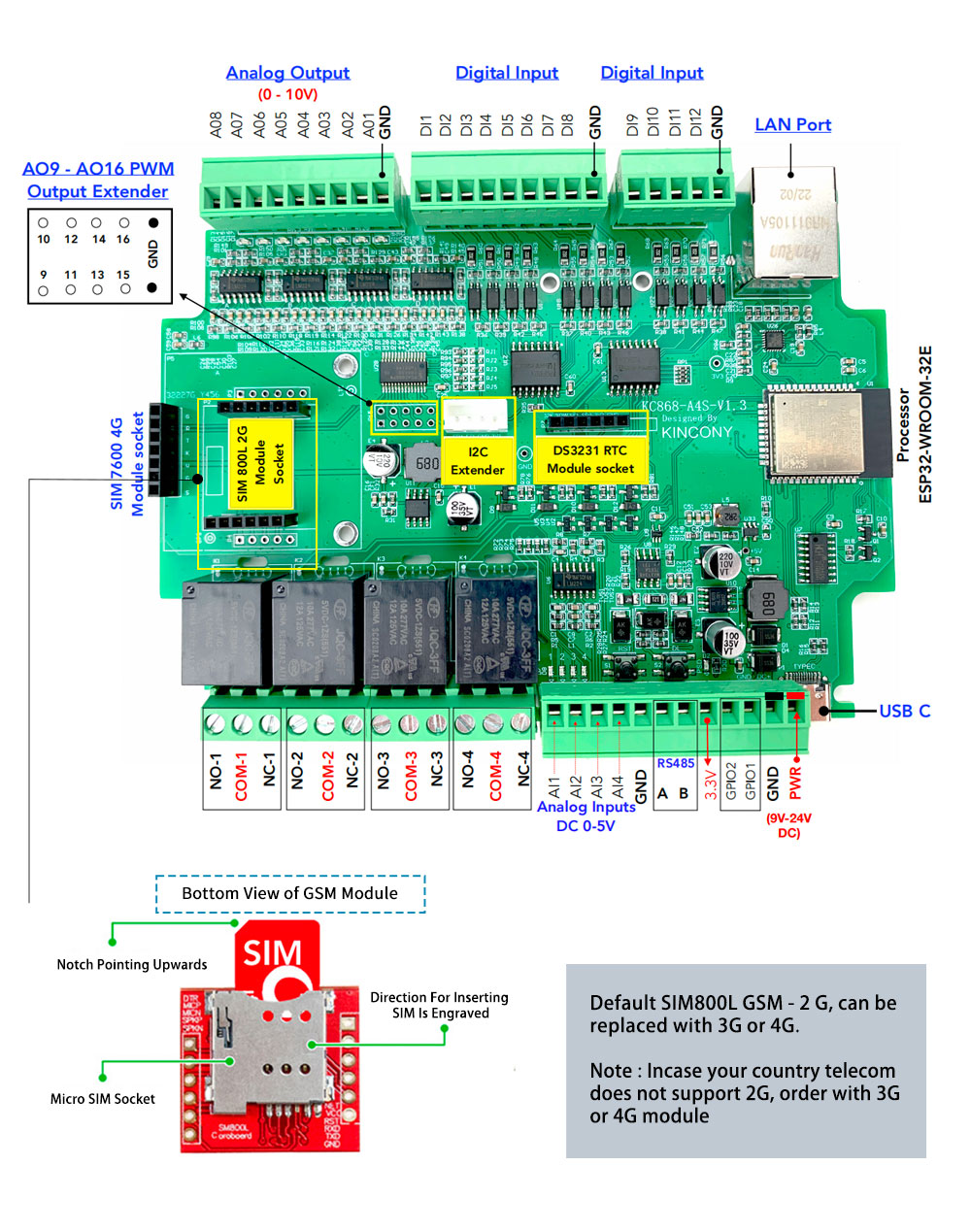
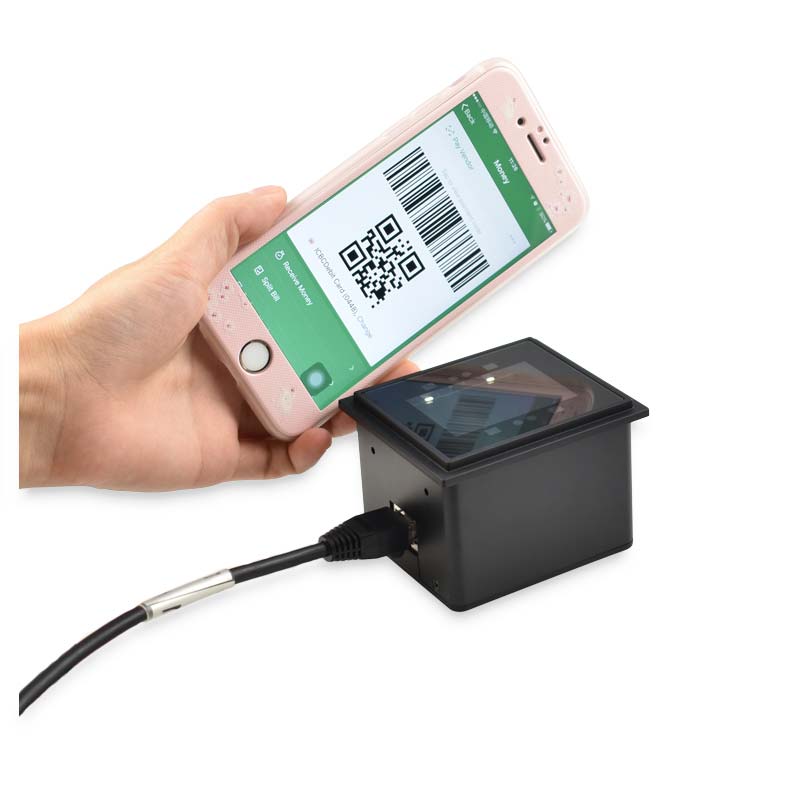
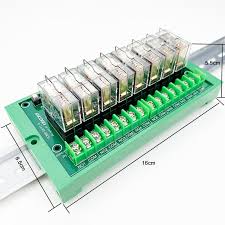
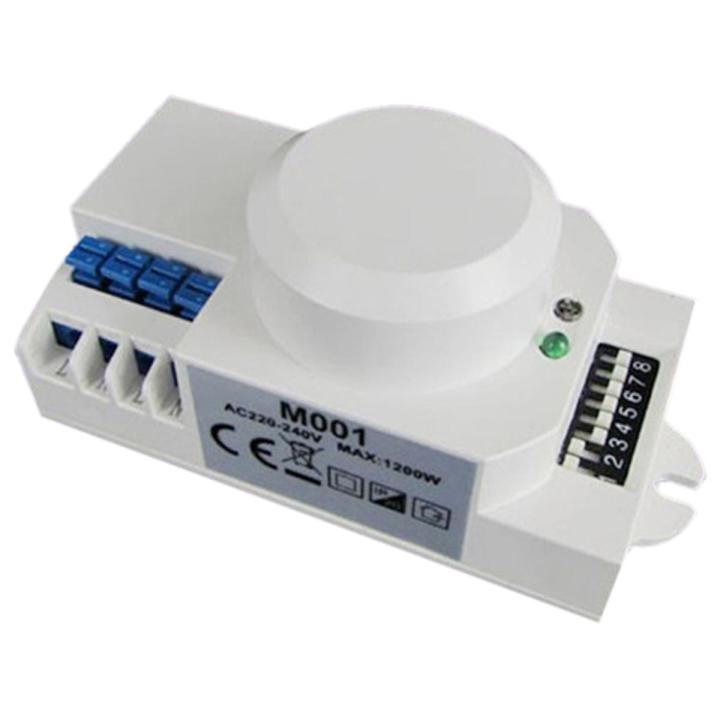
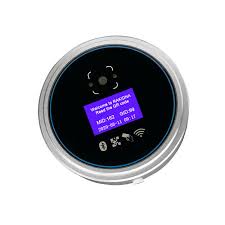
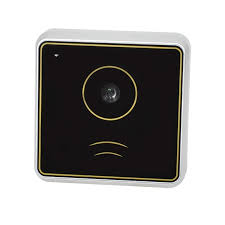
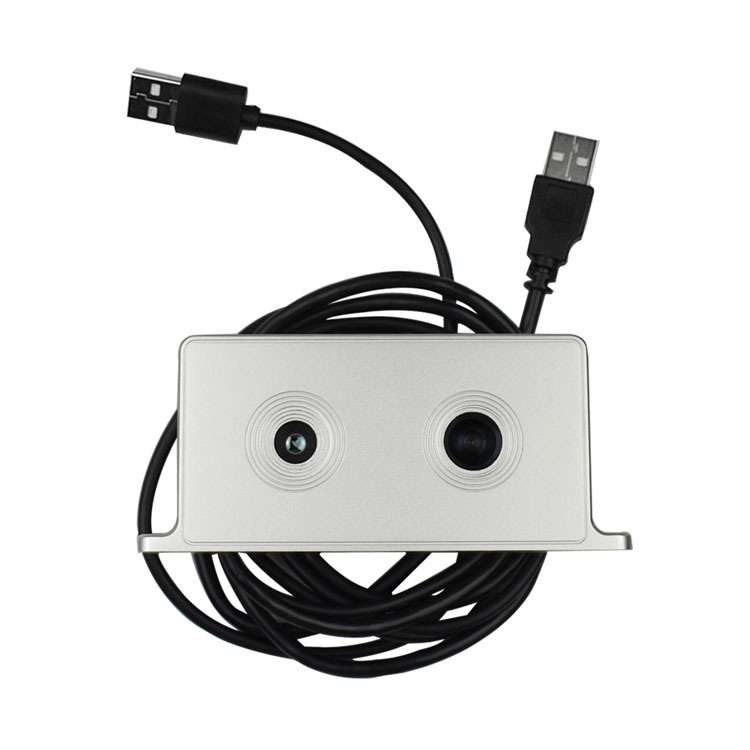
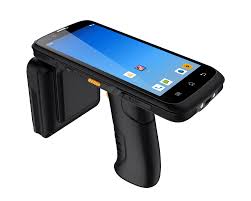
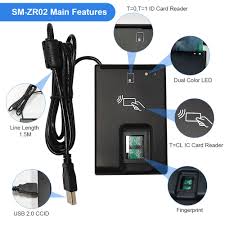
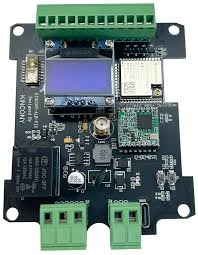
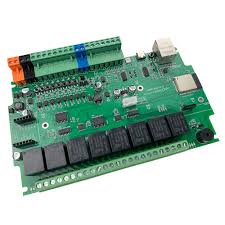
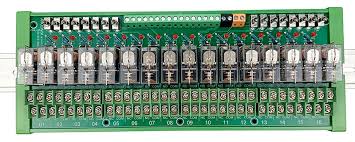
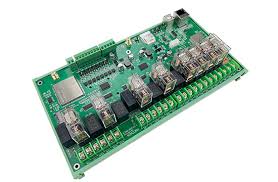
A Mini Control Board (SBoard) is typically a compact, multifunctional device used to manage and control electronic systems, devices, or circuits.
A Mini Control Board is a small, user-friendly interface designed to control various hardware components, such as motors, sensors, LEDs, and other peripherals. It acts as the central hub for a system, allowing users to send control signals, monitor inputs, or adjust settings.
These boards are often part of an embedded system where users can interact with them to manipulate the system�s behavior. They are typically used in educational, prototyping, or DIY electronics applications due to their simplicity and versatility.
Mini Control Board- Sboard latest price in bd.,Mini Control Board- Sboard
Compact Size:� As the name suggests, Mini Control Boards are designed to be small, making them easy to integrate into tight spaces or portable projects.
Buttons and Switches: The board usually has physical buttons or switches that can be used to toggle different functions, such as turning motors on/off, adjusting light levels, or changing modes.
LED Indicators: Many mini boards have built-in LEDs that provide feedback to the user, indicating system status (e.g., power on/off, active modes).
Communication Protocols: Some versions include communication ports like UART, I2C, or SPI, allowing the control board to interact with other devices or microcontrollers.
Microcontroller Integration: The board typically integrates a microcontroller (like an Arduino or ESP32), which processes inputs and controls outputs according to pre-programmed instructions.
Programmability: Users can program or reprogram the board to perform specific tasks using tools such as the Arduino IDE, PlatformIO, or custom software.
Power Supply: They may have the ability to run on battery power (in portable applications) or connect to a power source for continuous use.
Customizability: Many mini control boards are modular and allow users to add extra features, such as additional sensors or actuators, for customized applications.
Real-Time Feedback: Some mini boards offer real-time feedback through sensors, so the user can see the result of their interactions instantly (for example, adjusting a slider to control the speed of a motor).
No Specification Found, Ask for Technical Spec
No Policy Given Contact and Discuss
No Video Found